Admitted for 24 Hours: The Observation Ward Experiment That Exposed a Brand Running on Autopilot
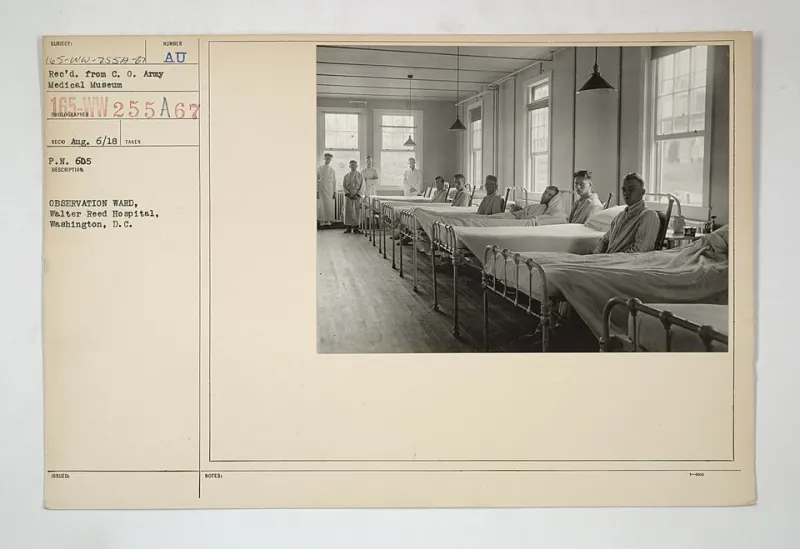
Photo: Unknown authorUnknown author or not provided, Public domain, via Wikimedia Commons
Every so often, a brand walks into The Social Clinic insisting everything is fine. The metrics look reasonable. The content calendar is full. The agency sends a tidy monthly report with a nice upward-ticking graph in the top corner.
But 'fine' is not a diagnosis. So when a mid-sized UK retailer — we'll call them Patient R, at their request — asked us why their engagement felt flat despite doing 'all the right things', we prescribed something unusual: a 24-hour observation stay.
One day. Every post, every reply, every DM, every story interaction logged and examined. No dashboards, no averages, no smoothed-out monthly summaries. Just the raw, unedited life of a brand on social media.
The Admission: 8am, Coffee, Clipboard
We started when Patient R did. By 8:04am, their scheduled post had gone live — a cheery 'Good morning!' graphic with a stock photo that could belong to literally any business in any town. It was scheduled six weeks ago. Nobody on the team had looked at it since.
That set the tone for the day.
Of the 14 pieces of content Patient R published across the day, 12 were scheduled in advance. Two were posted live by a human being. Guess which two performed better? The live ones — a slightly scrappy photo of a new product delivery and a reply to a customer's tweet — pulled more combined engagement than the other twelve put together.
Autopilot isn't inherently evil. Scheduling exists for good reasons. But when 86% of your output has had no human eyes on it in weeks, you're not running a social presence. You're playing recordings of one.
Ward Rounds: The Comment Section Nobody Visits
By midday, we'd spotted the pattern that made Patient R wince. Comments were coming in — genuine questions, compliments, one rather funny quip about their delivery van. The average response time to a comment? Four hours and twenty minutes. Two comments received no reply at all by the end of the day.
Meanwhile, the same team had spent 45 minutes debating the wording of a LinkedIn post about 'company values'.
Here's the thing we say to every patient: your audience can't tell the difference between your carefully crafted values post and a competitor's. They absolutely can tell the difference between a brand that replies in ten minutes and one that leaves them on read.
The DMs were worse. A customer asking about stock availability at 9:15am got an automated reply and then nothing until nearly 3pm. In that window, they'd bought from a competitor. We know because they said so, politely, in a follow-up message. Ouch doesn't cover it.
The 3pm Story Slump and Other Vital Signs
Stories told their own story. Patient R posted an interactive poll at 3pm — a good instinct — but it was the same poll format they'd used every Tuesday for four months. Response rates had quietly collapsed from 11% to under 3%. Nobody had noticed because nobody was watching the trend, just the individual results.
This is precisely what a 24-hour observation catches that a quarterly dashboard doesn't. Dashboards show you averages. Observation shows you behaviour. The hesitation before someone unfollows. The customer who asks the same question in DMs that's already answered in your pinned post — because your pinned post is buried under four pinned posts and nobody can find anything.
Discharge Notes: What One Day Actually Told Us
By the time we signed Patient R out at 8am the following morning, we had a diagnosis that three months of reports had missed:
- The presence runs on autopilot. Human involvement is the exception, not the rule — and it shows.
- Response times are the real vital sign. Not reach, not impressions. How fast a real person gets a real answer.
- Content fatigue is invisible on dashboards. The poll wasn't failing suddenly; it had been dying for months.
- The best-performing content of the day was accidental. Which says something uncomfortable about the planned stuff.
Should Your Brand Book an Observation Stay?
You don't need us to do this — though we're rather good at it, if we say so ourselves. Pick any ordinary Tuesday. Not a launch day, not a campaign day. Log everything your brand publishes, everything your audience says, and every response (or silence) in between.
Most brands are genuinely surprised. Some are horrified. A rare few are quietly smug — and those are usually the ones already doing the daily rounds.
Either way, one honest day of observation beats a quarter of flattering graphs. The pulse doesn't lie. It's the dashboards that do.