Sugar Pills for the Boardroom: Spotting the Placebo Campaigns That Feel Good But Cure Nothing

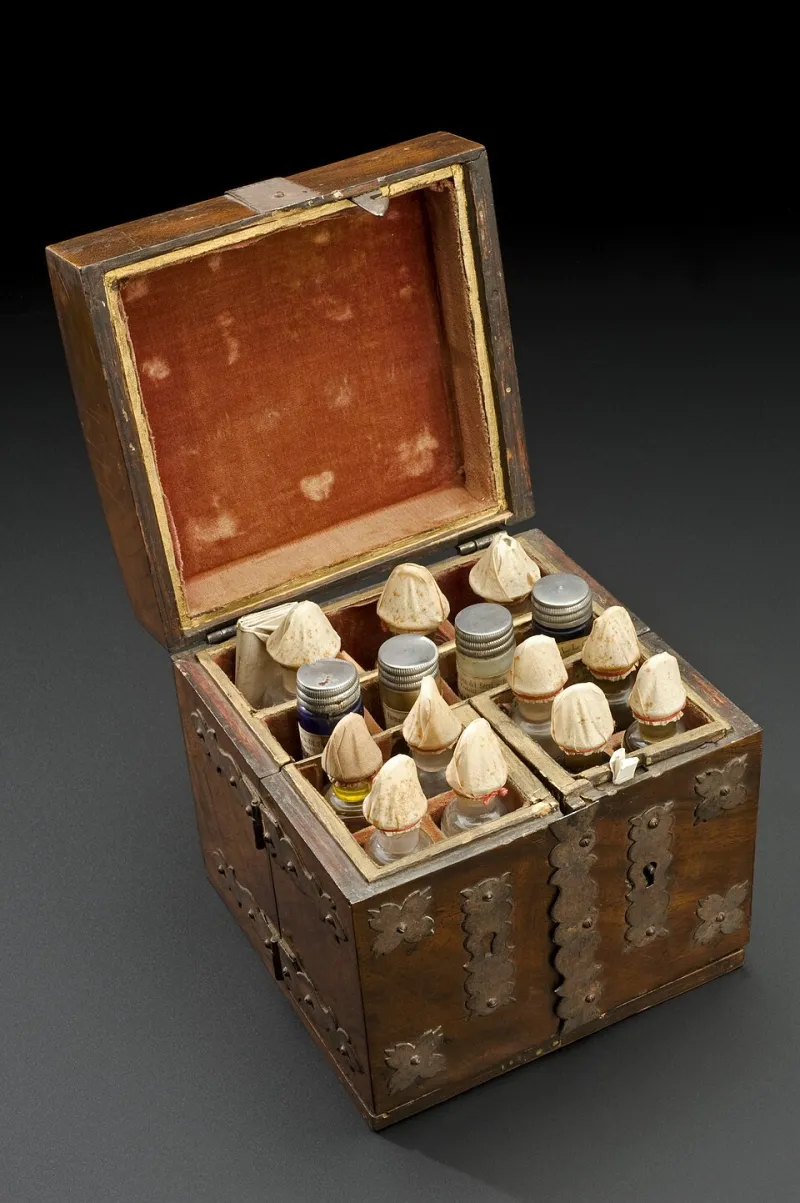
Photo: Pascal from Heidelberg, Germany, CC BY 2.0, via Wikimedia Commons
There's a particular kind of campaign we see walk through our doors every few months. It's got a lovely case study attached. The internal Slack channel lit up when it launched. Someone's auntie shared the post. The board meeting included a slide with a rising engagement graph and the word 'momentum' on it.
And yet — nothing has changed for the customer. Not a single sale shifted, not one support ticket deflected, not one new name in the CRM. The brand feels better. The brand isn't better.
We've started calling these placebo campaigns, and in our opinion they're the most expensive sugar pills in British marketing.
What a Placebo Campaign Actually Looks Like
A placebo, medically speaking, is a treatment with no therapeutic effect — but it can produce real feelings of improvement. Marketing works the same way. A placebo campaign produces genuine sensations of progress inside the business while doing precisely nothing outside it.
The classic symptoms:
- Engagement from the wrong bodies. Likes from employees, their partners, and the agency's own accounts. We once audited a Manchester-based retailer whose 'viral' launch post had a comment section that was 60% people on its own payroll.
- Kudos without a currency conversion. Praise from the board, a nice mention in the all-staff email, a LinkedIn pat on the back — with no corresponding movement in revenue, leads, or retention.
- Awards as endorphins. The campaign wins an industry gong. The gong goes on the reception shelf. Nobody can point to what it changed for a paying customer.
- Activity mistaken for treatment. Daily posting, a content calendar colour-coded within an inch of its life — but no hypothesis behind any of it. Motion, not medicine.
None of this involves dishonesty, necessarily. That's what makes placebos dangerous. Everyone involved genuinely believes something healing is happening.
Why UK Brands Are Especially Susceptible
British corporate culture has a particular vulnerability here. We're polite. We don't like telling the emperor he's in his pants. When a campaign lands, the instinct in the room is to nod, congratulate, and move the agenda along — not to ask the awkward question: healed what, exactly?
Add in the reporting rituals of the average UK marketing team — monthly decks, quarterly reviews, an annual away day at a conference venue off the M5 — and you have endless opportunities to celebrate feelings rather than outcomes. A graph that goes up and to the right is a graph, whatever it's measuring. If the y-axis is 'impressions', you can feel marvellous all the way to the bank you're not depositing anything into.
There's also the comparison effect. When your competitors are posting placebos too, the whole category develops a shared delusion that this is simply how marketing works.
The Self-Diagnostic Checklist
Before you sign off your next campaign, run it through this. Be honest. It's only a diagnosis if you don't flinch.
- Who felt it? If the only people who noticed were inside the building, you've made an internal comms piece with a brand logo on it.
- What would have happened if you'd posted nothing? Genuinely imagine it. If the honest answer is 'not much', you've produced ambient noise.
- Can a customer do something new because of this? Buy, book, reply, understand, decide. If there's no changed behaviour, there's no treatment.
- Did anyone outside marketing mention it? Sales, customer service, the actual humans on the front line. If the campaign never escaped the marketing floor, it never escaped the building.
- Would you repeat it at full price? Not because it looked nice — because it worked.
Score four or more 'yes' answers and you've got a real treatment. Fewer than two and you're holding a sugar pill with a nice wrapper.
The Honest Placebo Has Its Place — But Know What You're Prescribing
To be fair to the sugar pill: placebos have their uses. A feel-good campaign that rallies staff, reassures investors, or marks a rebrand has value — as long as everyone agrees that's what it is. The harm comes from mislabelling it. If your objective was morale, measure morale. Don't dress it up as lead generation and act surprised when the pipeline stays flat.
The brands that actually get better share one habit: they define the symptom before choosing the medicine. A B2B firm in Leeds we worked with killed half its content output and doubled its demo bookings within a quarter — not because we prescribed cleverer posts, but because someone finally asked what the posting was for.
Feeling better and getting better are not the same thing. Only one of them shows up in the accounts.