Behind the Login: Our 48-Hour Shift Inside a Brand's Social Accounts

Photo: Ferdi2005, CC BY-SA 4.0, via Wikimedia Commons
Most audits happen after the fact. We look at the numbers, the posts, the engagement rates, and we make our diagnoses from the outside. It's a bit like a GP reviewing your bloodwork without ever meeting you.
So when a UK-based home and lifestyle brand — we'll call them Hearth & Hollow, at their request — invited us to sit inside their social operation for 48 hours, we jumped at it. Full access. Every login, every draft, every half-written caption abandoned in Notes at 11pm.
What follows is our field report. Names changed, chaos intact.
Hour One: The Triage Board
We arrived at 9am on a Tuesday to find a Trello board that could only be described as triage by sticky note. Fourteen columns. Three of them labelled some variation of "URGENT??". The most recent post had gone live forty minutes earlier — a Reel about autumn candles — and the team were already refreshing the insights every ninety seconds.
Here's the first thing that struck us: nobody in the room could tell us what the Reel was for. It looked lovely. It fit the grid. But when we asked which stage of the customer journey it served, we got a shrug and a "it's what we always do in October".
The 11am Panic-Post
By eleven, a competitor had posted a giveaway. Within twelve minutes, Hearth & Hollow had drafted, internally argued about, and published a counter-giveaway. No budget approved. No legal check on the entry terms. No thought about whether giveaways had ever moved the needle for them before (they hadn't — we checked the archive).
This is the gap we're always banging on about: the polished grid suggests strategy, but the login reveals reflex. A brand that reacts to competitors rather than its own plan is essentially letting someone else write its prescription.
What the Drafts Folder Told Us
If you want an honest health check of a brand's social media, don't read the feed. Read the drafts.
Hearth & Hollow's draft folder was a graveyard of good instincts. A genuinely brilliant video about sustainable sourcing, abandoned because "the MD thought it sounded too preachy". A customer story that had sat untouched since March. A thoughtful response to a common question that would have saved their DMs hours every week — never posted because it "wasn't very exciting".
Twenty-three drafts. Roughly four hours of decent content, shelved by committee.
The DM Backlog Is a Symptom, Not the Disease
By the afternoon of day two, we counted 61 unanswered direct messages, some going back nine days. The team called it "the backlog" with the weary familiarity of people who've stopped expecting it to shrink.
But the backlog isn't the illness. It's a symptom of something we see in nearly every embedded audit: no one owns the triage. Everyone answers DMs when they can, so nobody answers them when it matters. In a physical clinic, you don't have four nurses each deciding who sees the doctor next. You have a system.
The Cost of the Chaos
Let's put numbers on it, because that's what we do here.
Over 48 hours, we logged roughly 6.5 hours spent on reactive work — panic-posts, competitor envy, insight-refreshing, and internal debates that ended in nothing. That's more time than the team spent on planned content all week. And the reactive content? It underperformed their planned posts by around 70% on every metric that matters to them.
The polished grid hides this. The login exposes it.
The Discharge Plan
We left Hearth & Hollow with three prescriptions, in true clinic fashion:
One. A decision rule for reactive posting: if it wasn't on the plan, it waits four hours and gets a second opinion. Most panic-posts die quietly when you let them breathe.
Two. A drafts amnesty. Every shelved post gets reviewed once, by one person, with one question — why was this never published? Half their best content is already made.
Three. A named DM owner, even if it's a rotating hat. Triage needs a triage nurse.
The Honest Bit
We should say this: Hearth & Hollow's team were good. Genuinely. Thoughtful, quick, decent instincts buried under process debt and a culture of reaction. The chaos behind the login isn't usually incompetence — it's what happens when nobody has ever done the diagnosis properly.
Your grid is the waiting room. The login is the operating theatre. If the two don't match up, that's not a content problem. That's a systems problem — and it's fixable.
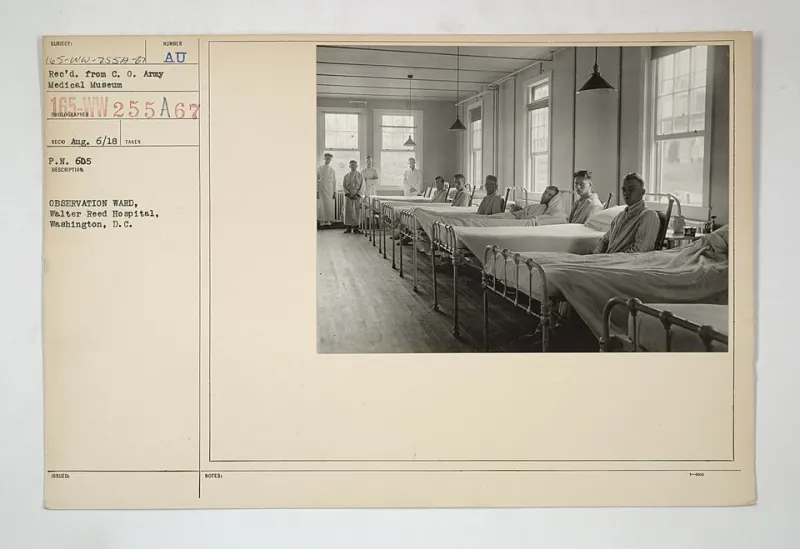
Book the observation ward. We'll bring the clipboard.