Waiting Room Wisdom: Why Your Brand's Social Manners Need an NHS-Style Health Check
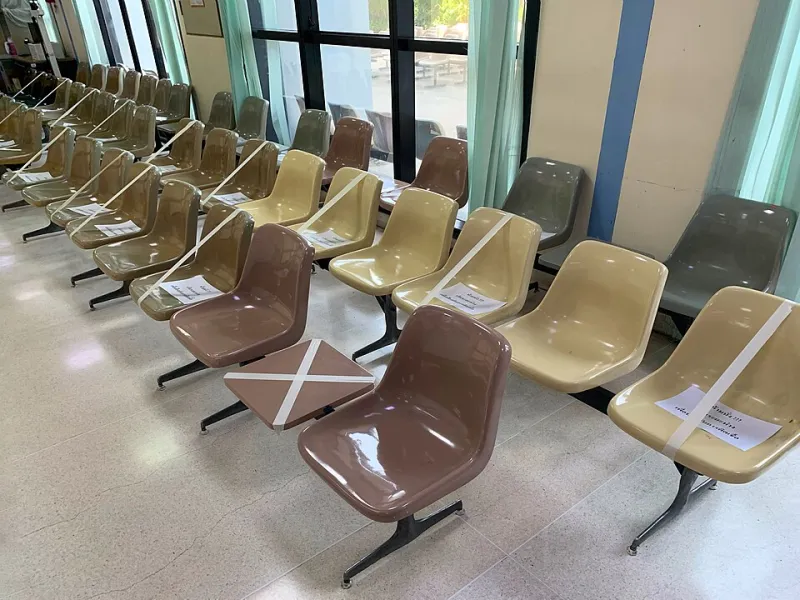
Photo: Chainwit., CC BY-SA 4.0, via Wikimedia Commons
Picture two waiting rooms. In the first, the receptionist looks up when you walk in, tells you roughly how long the wait will be, and apologises when it overruns. In the second, nobody acknowledges you exist, the display board says one thing while reality says another, and when you ask a question you're handed a laminated sheet from 2019.
Now ask yourself: which one is your brand's inbox?
We spend a lot of time at The Social Clinic running digital health checks, and the single most common symptom we spot isn't weak content or a dodgy posting schedule. It's poor bedside manner — the way a brand behaves when a real human turns up, usually anxious, sometimes furious, always wanting to feel heard.
Why the NHS Is an Unlikely Engagement Guru
Stay with us here. NHS trusts — particularly their brilliant comms and engagement teams — handle something most brands never have to: thousands of people at their most vulnerable, asking questions they're frightened to ask, in public, at volume.
The trusts that do it well have quietly become some of the best communicators in Britain. During peak winter pressures, several NHS accounts became known for exactly the things brands promise and rarely deliver: honest updates when things went wrong, straight answers about waiting times, and a tone that was warm without being saccharine. When a hospital's A&E was overwhelmed, the best responses didn't hide behind corporate fog. They said: this is busy, here's what we know, here's where else you can go, and thank you for your patience — we mean it.
Contrast that with the brand disasters we've all witnessed. The airline that copy-pasted the same apology seventeen times under complaint after complaint. The retailer that deleted critical comments rather than answer them, then acted surprised when screenshots travelled. The utility company whose chatbot cheerfully offered a discount code to a customer whose supply had been off for four days.
The difference between the two isn't budget. It's bedside manner.
The Three Symptoms of Bad Bedside Manner
When we audit a brand's social channels, we look for three telltale signs that the waiting room experience has broken down.
Symptom one: no triage. In a good waiting room, someone works out quickly who needs what. On social, that means recognising the difference between a quick question, a genuine complaint, and someone in distress — and routing each appropriately. Brands that respond to "do you deliver to Scotland?" and "your product gave my child a rash" with the same cheerful template have failed at triage.
Symptom two: no waiting time board. People can forgive a delay. They can't forgive silence. NHS waiting boards tell you where you stand, even when the news isn't great. Brands that publish realistic response times — and then meet them — build more trust than brands that promise "we're here 24/7" and reply in ninety-six hours.
Symptom three: the laminated sheet. Pre-canned answers have their place, but when every reply reads like it was written by someone who has never used the product, customers notice. Empathy can't be automated. It can only be staffed, trained, and empowered.
The Bedside Manner Audit
Here's the framework we use, and you can run it on your own channels this week. Score yourself honestly on each of the five checks below — one point for a yes, zero for a no.
- Acknowledgement within your stated window. Do you reply to every genuine customer message within the timeframe you publicly advertise? Not the easy ones. Every one.
- Tone match. When a customer is upset, does your reply acknowledge the feeling before the fix? Read your last ten complaint responses aloud. Do they sound like a person or a policy document?
- Honesty under pressure. When something's gone wrong — a delivery delay, a website outage, a pricing change — do you say so plainly, or do you go quiet and hope it blows over?
- Empowerment. Can your social team actually resolve things, or do they just apologise and say "please DM us"? Every extra handoff is a waiting room with no chairs.
- Follow-through. When you tell someone you'll come back to them, do you? Unresolved threads are the digital equivalent of being left on a trolley in a corridor.
Score four or five: your bedside manner is in good shape. Two or three: there's inflammation that needs treating. Zero or one: we'd book a proper consultation.
The Prognosis
The lesson from the waiting rooms that work isn't complicated, and it doesn't require a rebrand or a bigger budget. It requires treating every person who arrives at your social door as a patient: someone who deserves acknowledgement, honesty about the wait, and a response from someone actually qualified to help.
Brands love to talk about community and engagement, but engagement isn't a content calendar. It's what happens when someone tests you — when they're annoyed, confused, or having a genuinely bad day — and they find out who you really are.
The good news? Unlike the actual NHS, your waiting room problems are almost entirely fixable with training, empowerment, and a bit of honesty. We've seen brands turn a two-star review culture into a four-point-eight average in six months purely by mending their bedside manner.
First step: run the five-point audit above. Then come back and tell us your score. We promise to reply within our stated response window.