The Open Ward Experiment: One Month of Letting Customers Write the Content Plan

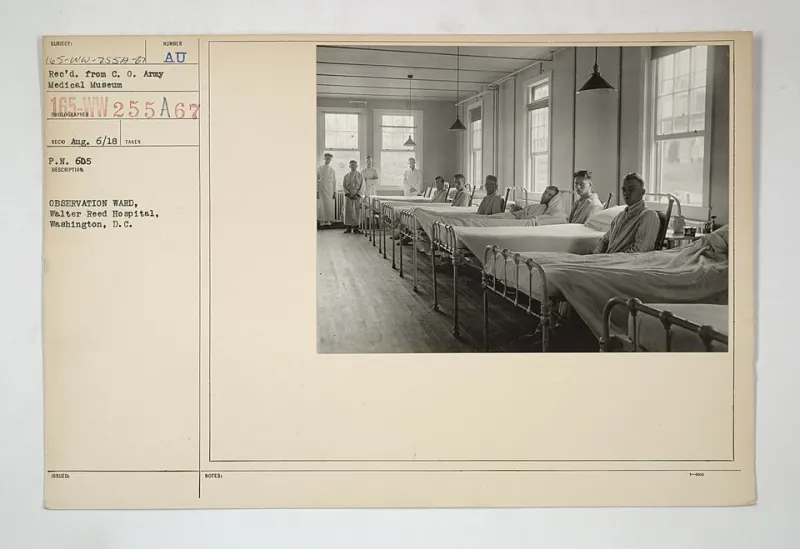
Photo: U.S. Army USAGW by Emily Jennings, Public domain, via Wikimedia Commons
Every so often a brand walks into the clinic with a puzzle we can't solve with the usual instruments. This one was a mid-sized homeware retailer based in Manchester — decent following, healthy ad spend, content calendar planned six weeks in advance by a very competent in-house team. And yet engagement was flatlining. Nothing was technically wrong. Nothing was technically right either.
Our standard audit came back clean. So we prescribed something unconventional: for one month, the customers would decide what got posted.
Flipping the Bedside Manner
The rules were simple on paper. Every post for four weeks had to originate from the community — a comment, a DM, a review, a poll response. The in-house team could polish and publish, but they couldn't invent. If nobody asked for anything, the brand said nothing.
The first week was terrifying for them. The second week was enlightening.
It turned out their audience didn't want styled flat-lays of new ranges. They wanted care instructions, styling dilemmas, and — this one stung — honest answers about why certain products had been quietly discontinued. The most engaged-with post of the entire month was a 40-second video of a staff member explaining how to stop a rattling drawer hinge. Shot on a phone. Zero production value. Thousands of saves.
Triage Rules for an Open Ward
Before you panic: we didn't hand over the keys and hope for the best. An open ward still needs clinical controls. Here's the triage framework we ran:
- Green requests — questions, how-tos, styling help. Publish fast, same day if possible. Speed signals you're listening.
- Amber requests — complaints, pricing questions, delivery gripes. Answer publicly but carefully, then take the detail to DMs. Never let a service failure fester in a comment thread overnight.
- Red requests — anything involving legal claims, competitor baiting, or personal data. Acknowledge, remove from the public queue, escalate internally.
One more rule that proved essential: the brand was allowed one 'wildcard' post per week — something entirely its own. This stopped the team feeling like a hostage negotiation unit and gave us a control group to compare against community-driven content.
The wildcard posts performed fine. The community posts performed roughly 60% better on saves and shares. Every week. Without exception.
What the Comments Knew That the Audit Didn't
Here's the diagnosis nobody expected. The brand's audience didn't have a content problem. It had a listening problem. Customers had been asking the same three questions for over a year — in comments, in reviews, in DMs — and the calendar had never once bent to answer them. The team wasn't ignoring anyone deliberately. They just had a plan, and the plan had no gaps in it.
That's the thing about co-created content: it's a diagnostic tool disguised as a content strategy. An audit tells you what's performing. An open ward tells you what's missing. Those are not the same question, and the gap between them is where most flatlining feeds live.
Running Your Own Open Month
If this has sparked something, you don't need to hand over the whole calendar on day one. Start with a two-week pilot:
- Mine your existing signals first. Scroll back through three months of comments and reviews. You'll likely find the same five questions repeating. That's your starter content, already requested.
- Set your triage colours before launch. Decide green, amber and red rules in writing, with sign-off from whoever handles customer service. On the day, nobody should be improvising policy.
- Cap the wildcards. One self-initiated post per week keeps the team sane and the data honest.
- Measure differently. Ignore impressions for a month. Track saves, shares, replies and — the real vital sign — whether the same questions keep coming back.
- Debrief like a discharge. At the end, write down what the community taught you that your calendar never covered. Then decide which of those lessons become permanent fixtures.
Closing Thoughts
The Manchester brand didn't keep the open ward running forever. After the month ended, they returned to a planned calendar — but a rewritten one, with a permanent 'asked and answered' slot and a weekly review of what customers are actually saying. Engagement recovered within a quarter.
Visiting hours, it turns out, shouldn't just be for agencies and consultants. Sometimes the most accurate diagnosis of your social media health is sitting in your comment section, politely asking the same question for the fourteenth time. Let it in. Ask it what's wrong. You might be surprised what the chart was missing.